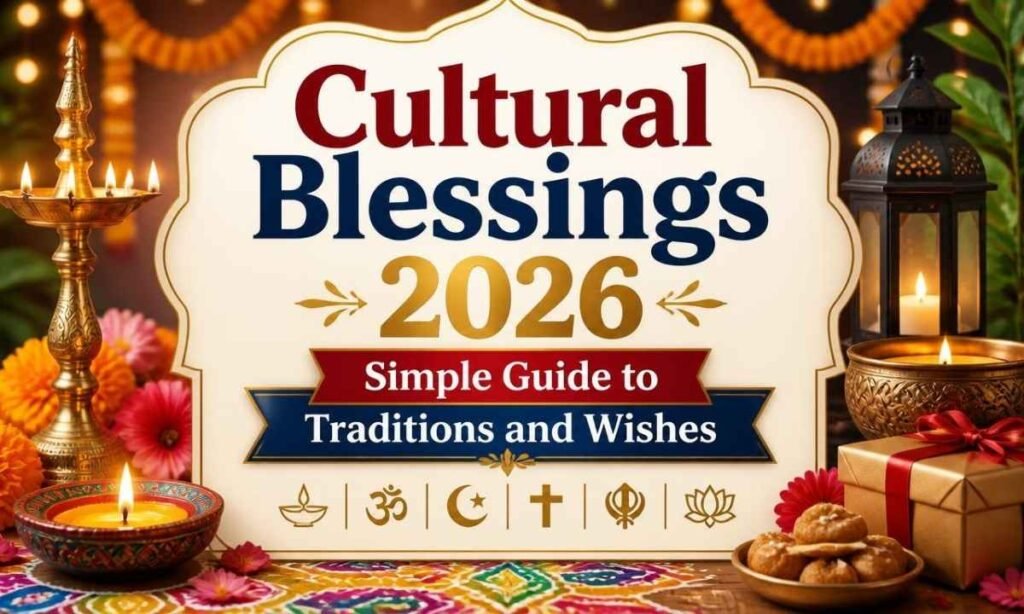

Cultural blessings mean so much when you’re standing at a wedding or holding a newborn, searching for words that truly fit. You want to say something meaningful, not generic. Something that feels real. Most of us freeze in these moments, because the right words matter, and finding them isn’t always easy.
Cultural blessings are exactly what this guide offers, with real examples and simple explanations for every occasion. You’ll find blessings for weddings, births, festivals, and new homes, all explained clearly. By the end, you’ll know exactly what to say, and why these words carry so much genuine meaning.
What Are Cultural Blessings?
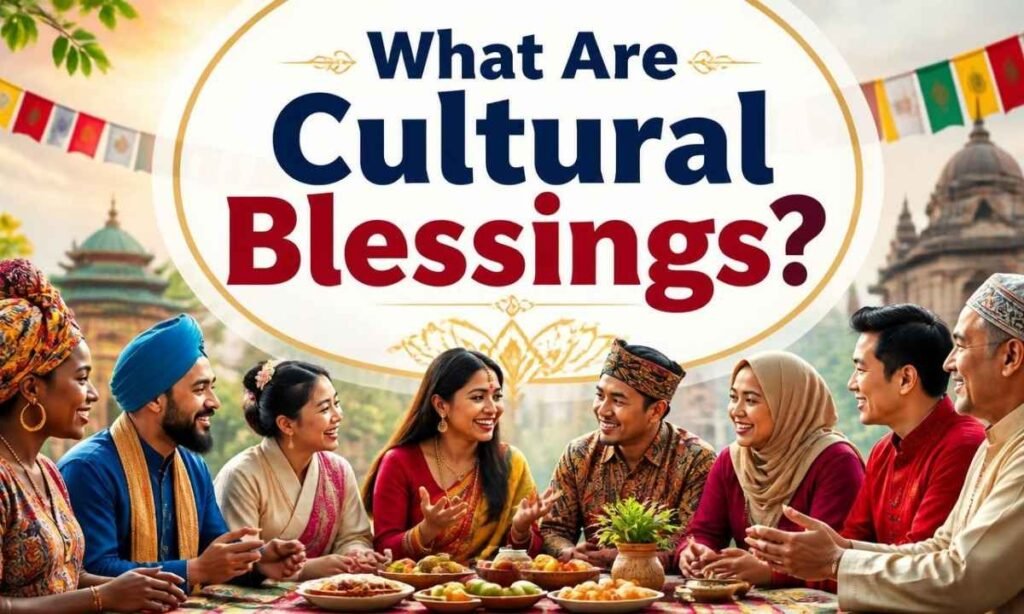
Cultural blessings are kind words, prayers, or wishes people share during life’s big moments. They show love, respect, and goodwill. Families use them at weddings, births, and festivals. These blessings aren’t always religious — sometimes, they’re just heartfelt words wishing someone well.
Every culture has its own way of giving blessings, but the goal stays the same. People want to spread hope, happiness, and peace. Some blessings are spoken aloud, and others come through gifts, food, or gestures. They connect generations and keep traditions alive for years to come.
Origins of Cultural Blessing Traditions
- Long ago, families created blessing customs to protect loved ones and thank a higher power for every single gift.
- Ancient blessing traditions slowly grew from simple prayers that elders spoke aloud to protect their whole family from harm.
- Every culture slowly built its own blessing customs to celebrate births, weddings, harvests, and many other important life events.
- Blessing customs first began with gratitude, as people thanked nature and the divine for good health, food, and safety.
- Cultural heritage grew even stronger each time a loving family passed a meaningful blessing down to the next generation.
- Early blessing rituals often used water, fire, or light to symbolize protection, purity, and hope for a bright tomorrow.
- Historical blessing customs often included special foods shared among family members to represent deep, true unity and great abundance.
- Many old blessing rituals honored the yearly changing seasons, thanking the earth for its rain, sunshine, and rich harvests.
- Blessing customs also marked new, important stages in life, like becoming an adult, a parent, or a wise leader.
- Storytelling helped early blessing traditions survive, as elders shared their meaningful words softly with children around a warm fire.
- Trade and travel helped blessing customs spread, mixing new ideas with old traditions across many distant lands and cultures.
- Written prayers and songs preserved blessing customs long before printing existed, keeping sacred words safe for many future generations.
- Migration carried blessing traditions across oceans, letting families keep their roots alive in completely new and very unfamiliar homes.
- Royal courts and temples often recorded blessing customs, showing how important these traditions were to the community’s daily life.
- Blessing customs changed with each generation, yet the core message of love and hope always stayed exactly the same.
- Today’s blessing traditions still carry ancient roots, connecting modern families to the deep wisdom and warmth of the past.
Cultural Blessing Traditions Around the World
- In many Asian cultures, elders bless young couples with rice, symbolizing prosperity, fertility, and a bright, hopeful future together.
- Middle Eastern hospitality traditions treat every guest as a blessing, offering warm meals, kind words, and generous, open homes.
- African harvest festivals often include community blessings, thanking the land and honoring ancestors for another season of rich abundance.
- European wedding customs often include bread and salt, blessing the couple with lifelong nourishment, comfort, and true, lasting stability.
- In Latin American cultures, godparents give spiritual blessings at baptisms, promising lifelong guidance, protection, and deep, loving family support.
- Native American traditions use smudging ceremonies to bless spaces, clearing negative energy and welcoming peace, true balance, and harmony.
- South Asian festivals like Diwali include light-based blessings, where oil lamps symbolize hope, knowledge, and victory over complete darkness.
- East Asian New Year traditions include red envelopes, a small blessing meant to bring good luck, wealth, and protection.
- Pacific Island cultures bless canoes and homes with chants, asking the ocean and sky for safe, calm future journeys.
- In Scandinavian cultures, midsummer blessings honor the sun, celebrating light, warmth, and the joyful return of much longer days.
- Mediterranean cultures often bless new homes with olive oil and bread, wishing endless, true nourishment, peace, and lasting prosperity.
- Caribbean traditions often bless newborns with music and dance, welcoming each child with rhythm, joy, and warm community love.
- Central Asian nomadic cultures bless travelers with prayers for safe roads, strong horses, and protection from harsh, sudden weather.
- In many Slavic cultures, blessing bread and salt at doorways welcomes guests with warmth, respect, and great, genuine hospitality.
- Australian Aboriginal traditions bless the land through song and story, honoring ancestors, nature, and a timeless, deep spiritual connection.
- Around the world, every culture’s blessing traditions share one simple goal: spreading love, hope, and lasting human connection today.
Religious Blessing Rituals
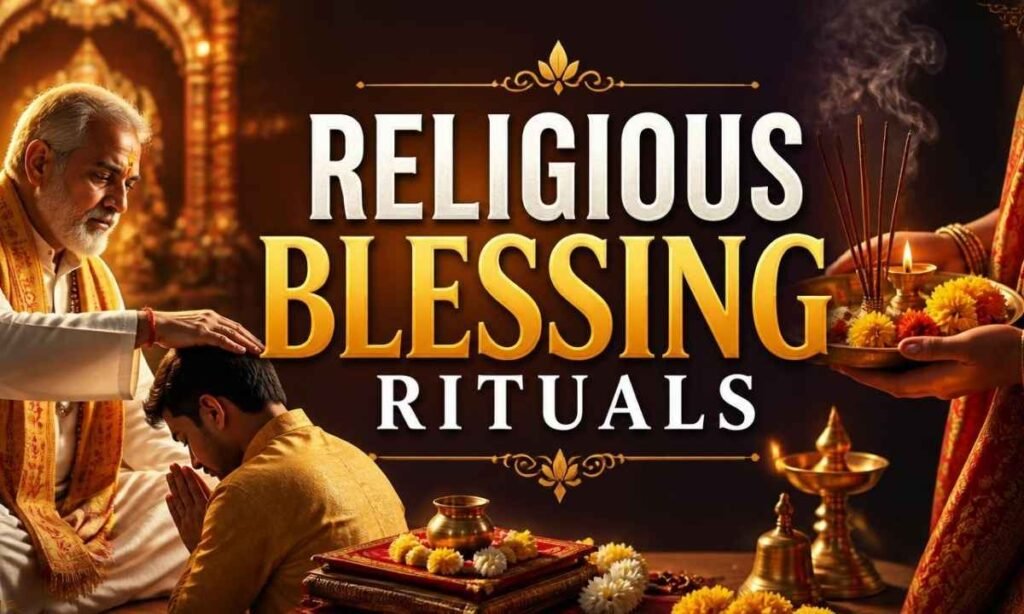
- Priests and clergy often bless congregations with raised hands, asking for divine protection, peace, and lasting spiritual grace.
- Many faiths bless children through baptism or naming rites, welcoming them into a sacred, loving spiritual community forever.
- Blessing rituals often include holy water, symbolizing purification, renewal, and a fresh spiritual start for every believer.
- In many temples, incense carries prayers upward, blessing the space with peace, reverence, and quiet spiritual focus.
- Religious leaders often bless meals before eating, thanking a higher power for daily nourishment, safety, and abundance.
- Sacred chants and hymns are a form of blessing, filling hearts with hope, comfort, and renewed spiritual strength.
- Many religions bless couples during marriage ceremonies, asking for lifelong unity, patience, loyalty, and shared spiritual devotion.
- Pilgrimages often end with a blessing ritual, marking spiritual growth, humility, and a deeper connection to faith.
- Religious blessing rituals often involve anointing with oil, symbolizing healing, protection, and a sacred spiritual calling.
- Many faiths bless the dying with final prayers, offering peace, comfort, and hope for a gentle passing.
- Sacred texts are often blessed before reading, honoring their wisdom and inviting spiritual guidance into daily life.
- Blessing rituals during holy days often include fasting, prayer, and reflection, deepening faith and personal spiritual discipline.
- Many congregations bless new buildings or homes, asking for safety, harmony, and God’s presence within those walls.
- Religious elders often place hands on the sick, offering healing blessings filled with faith, comfort, and hope.
- Harvest blessings in many faiths thank a higher power for food, rain, and the land’s continued generosity.
- Across religions, blessing rituals share one truth: faith brings comfort, hope, and connection to something greater.
Theology and Symbolism of Blessings
- Light often symbolizes divine truth, guiding believers toward wisdom, hope, and a clearer spiritual path forward.
- Water represents purification in many theologies, washing away past mistakes and offering a renewed, hopeful spirit.
- Bread symbolizes sustenance and unity, reminding believers that faith nourishes both the body and the soul.
- Trees often symbolize strength and growth, teaching believers to stay rooted while reaching toward greater wisdom.
- Open hands during blessings represent generosity, humility, and a willingness to receive divine grace freely.
- Circles in religious symbolism represent eternity, reminding believers that spiritual love has no true beginning.
- Fire often symbolizes transformation, burning away doubt while igniting faith, courage, and renewed spiritual passion.
- Doves commonly symbolize peace in many theologies, representing hope, gentleness, and the presence of grace.
- Anointing oil symbolizes sacred calling, marking someone as chosen for healing, leadership, or spiritual purpose.
- Sacred numbers often carry theological meaning, representing completeness, harmony, or a divine, ordered universe.
- Mountains symbolize closeness to the divine, representing struggle, reflection, and eventual spiritual clarity.
- Rainbows symbolize promise and hope, reminding believers that difficult storms eventually give way to peace.
- Candles represent prayer rising upward, connecting the earthly world with something greater and eternal.
- Salt symbolizes preservation and value, reminding believers to stay true, humble, and spiritually grounded.
- Stars often symbolize guidance, representing hope during dark times and faith in an unseen plan.
- Theology teaches that blessing symbols aren’t magic; they simply point toward deeper truth and meaning.
Cross-Cultural Friendships and the Blessing of Diversity
- True friendship grows stronger when people embrace each other’s traditions with genuine curiosity and heartfelt respect.
- Learning a friend’s customs builds empathy, turning cultural differences into opportunities for deeper human connection.
- Sharing meals from different cultures often builds trust, turning strangers into lifelong, cherished close friends.
- Cross-cultural friendships teach patience, showing that language barriers can’t stop genuine kindness and understanding.
- Celebrating a friend’s festival, even unfamiliar ones, shows respect, curiosity, and real, meaningful appreciation.
- Diversity enriches friendships, offering fresh perspectives that challenge assumptions and broaden everyday personal understanding.
- Cross-cultural bonds remind us that kindness translates perfectly, even when words and languages completely differ.
- Friendships across cultures often reveal surprising similarities, proving humanity shares more than people initially expect.
- Respecting a friend’s beliefs, even different ones, strengthens trust and deepens genuine, lasting mutual respect.
- Diverse friendships teach flexibility, helping people adapt gracefully to new environments, ideas, and unfamiliar situations.
- Cross-cultural friendships often inspire travel, curiosity, and a genuine desire to understand unfamiliar, distant places.
- Sharing stories from childhood, regardless of culture, often reveals universal truths about family, hope, and love.
- True diversity in friendship means listening without judgment, honoring different paths, and celebrating unique life experiences.
- Cross-cultural friendships often challenge stereotypes, replacing assumptions with genuine understanding, warmth, and real human connection.
- Diversity blesses friendships with richness, turning ordinary relationships into meaningful bridges between different, unique worlds.
- In the end, cross-cultural friendships prove that respect and kindness remain truly universal human languages.
Common Occasions for Cultural Blessings
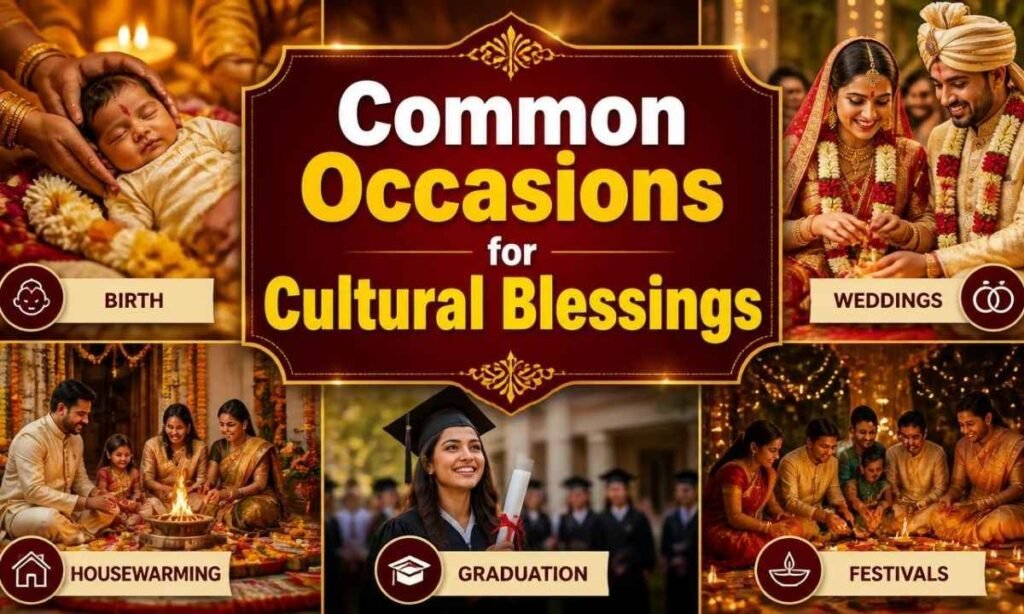
- A newborn’s arrival deserves blessings of health, happiness, and a bright, hopeful future ahead.
- Naming ceremonies bless children with identity, purpose, and a strong connection to family heritage.
- Weddings bless couples with lifelong love, patience, loyalty, and a deep, lasting shared commitment.
- Housewarming blessings welcome new beginnings, wishing comfort, safety, and warmth within every single room.
- Graduation blessings honor hard work, wishing wisdom, confidence, and success in every future endeavor.
- Festival blessings unite communities, spreading joy, gratitude, and shared hope for the coming year.
- Anniversary blessings celebrate lasting love, honoring years of patience, growth, and true shared devotion.
- Retirement blessings honor a lifetime of work, wishing peace, rest, and joyful, well-earned relaxation.
- New job blessings wish confidence, growth, and success as someone begins an exciting new chapter.
- Birthday blessings celebrate another year, wishing health, happiness, and continued personal growth ahead.
- Baby showers bless expecting parents with strength, patience, and joy for their upcoming journey.
- Harvest blessings thank the earth, wishing abundance, gratitude, and continued prosperity for every family.
- Farewell blessings wish safe travels, new adventures, and continued connection despite the growing distance.
- Recovery blessings wish strength and healing, comforting those facing illness with hope and love.
- Reunion blessings celebrate reconnecting, wishing joy, laughter, and renewed closeness after time apart.
- Every life occasion, big or small, deserves a heartfelt blessing filled with love and hope.
Cultural Blessings Quotes
- “May your path stay bright with peace, love, and endless hope every single day.”
- “Wishing you strength today, joy tomorrow, and lasting happiness throughout your entire beautiful life.”
- “May kindness follow you always, guiding your heart toward compassion, patience, and true understanding.”
- “Sending you peace and comfort through every challenge, knowing brighter days are always coming.”
- “May your home stay filled with laughter, warmth, and love that never, ever fades.”
- “Wishing you courage to face challenges and wisdom to recognize every hidden blessing.”
- “May gratitude fill your heart, turning ordinary days into meaningful, memorable, joyful moments.”
- “Sending you hope today, believing tomorrow holds something wonderful, bright, and truly worthwhile.”
- “May your journey stay guided by love, patience, and unwavering, quiet inner strength.”
- “Wishing you peace within, knowing your worth extends far beyond life’s daily struggles.”
- “May every sunrise remind you that fresh starts and new hope are always possible.”
- “Sending you comfort during hardship, trusting that healing and peace will surely come.”
- “May your heart stay open, welcoming love, connection, and genuine human kindness daily.”
- “Wishing you resilience today, knowing that every storm eventually passes, leaving calm behind.”
- “May your dreams stay alive, fueled by hope, patience, and quiet determined faith.”
- “Sending you warmth today, believing kindness always returns to those who share it.”
Blessing Customs Explained
- Many cultures bless with spoken words, believing sincere prayers carry real spiritual power and meaning.
- Hand gestures often accompany blessings, showing respect, humility, and genuine care for another person.
- Food sharing remains a common blessing custom, symbolizing unity, gratitude, and generous community connection.
- Group chants and songs express collective blessings, uniting communities through shared rhythm and purpose.
- Written blessings, now often shared digitally, still carry the same heartfelt meaning as before.
- Family gatherings remain central to blessing customs, passing heritage and wisdom to younger generations.
- Symbolic objects like candles represent purity, hope, and protection within many blessing traditions.
- Elders often lead blessing customs, using their wisdom to guide and comfort younger family members.
- Blessing customs often include gift-giving, symbolizing generosity, care, and genuine goodwill toward others.
- Seasonal changes often inspire blessing customs, thanking nature for renewal, growth, and continued abundance.
- Many blessing customs involve storytelling, preserving wisdom while entertaining and educating younger, curious generations.
- Community celebrations often center around blessing customs, strengthening bonds and shared cultural identity together.
- Blessing customs vary by region, yet all share hope, gratitude, and heartfelt human connection.
- Modern blessing customs blend old traditions with new technology, keeping meaningful practices alive today.
- Blessing customs teach respect for diversity, showing that every tradition deserves genuine understanding and care.
- In the end, blessing customs remind us that kindness and hope remain truly universal values.
Read: Cute Thursday Blessings
Read: New Year Blessings
Read: Good Morning Monday Blessings GIF
Frequently Asked Questions
What are cultural blessings?
These are kind words, prayers, or wishes shared during life events like weddings, births, and festivals.
How do you say a blessing for a new home?
Wish comfort and happiness for the family, saying something like “May your home always be filled with love.
What is a good wedding blessing message?
A simple message wishes the couple lasting love and happiness, such as “May your marriage be filled with trust.
Are cultural blessings always religious?
No, these blessings aren’t always religious. They can be spiritual, emotional, or simply heartfelt wishes for someone’s wellbeing.
What do you say when blessing a newborn baby?
Wish the baby health, happiness, and a bright future, saying something like “May your life be joyful.
Conclusion
Cultural blessings bring people together, showing love, respect, and hope in every word. Whether it’s a wedding, a birth, or a festival, they make the moment special. They connect families and keep traditions alive, reminding us that kindness never goes out of style.
Cultural blessings also teach us something important, helping us appreciate different traditions and values. Sharing them with others builds stronger bonds and shows care in the simplest way. Remember their power — a few kind words can mean more than you think.