


The Blessing Ashirwad Hand can feel mysterious when you first see it in a temple, statue, or sacred artwork. You may wonder what this raised hand means and why it carries such deep emotional and spiritual meaning for people today.
This guide explains the Blessing Ashirwad Hand, its meaning, symbolism, traditions, and cultural importance. You’ll learn how it represents protection, grace, guidance, respect, and blessings from elders, helping you understand this meaningful gesture with clarity and confidence in everyday life.
Blessing Ashirwad Hand Meaning
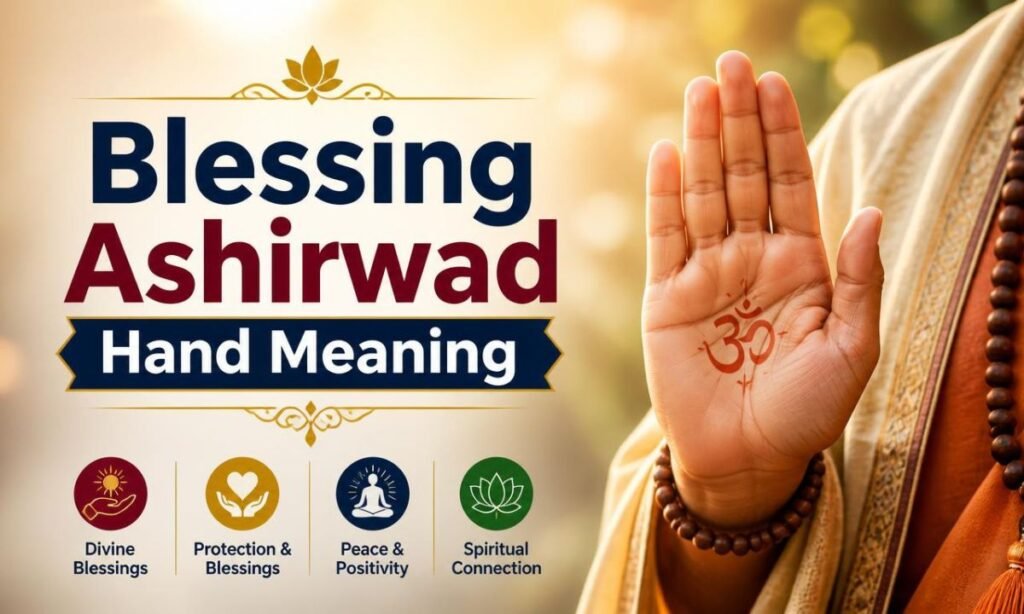
- A blessing hand rests gently on the head, carrying love, protection, and heartfelt prayers from someone who cares deeply.
- This simple gesture speaks louder than words, showing warmth, respect, and genuine care between elders and younger family members.
- You don’t need language to feel a blessing; a raised palm alone communicates hope, comfort, and quiet reassurance instantly.
- Many people trace this custom back to ancient roots, where touch symbolized trust, safety, and a shared spiritual connection.
- It’s not just about religion either; it’s about family bonds, respect, and passing values steadily from one generation forward.
- A grandmother’s gentle touch on your forehead can quietly stay with you for years, long after the moment passes.
- Such gestures remind us that love doesn’t always need words; sometimes a simple touch says everything we truly feel.
- You’ll notice this custom appears at weddings, birthdays, and quiet mornings alike, connecting people through shared hope and warmth.
- The right hand is usually used, since many cultures see it as a symbol of purity, strength, and fortune.
- Children often bend down to touch feet, and elders respond with a soft hand placed lovingly on their heads.
- This exchange builds trust between generations, letting younger family members feel seen, valued, and genuinely cared for every day.
- Even a short blessing can carry years of wisdom, packed into one gentle motion that needs no further words.
- It’s a small act, yet it holds real emotional weight for both the person giving and the person receiving.
- Some families practice this daily, while others save it for special days, but the meaning stays exactly the same.
- You might see this warm gesture before exams, journeys, or big decisions, offering courage when someone needs it most.
- The hand becomes a bridge between generations, quietly carrying forward stories, values, and love that words alone can’t express.
- At its core, this tradition is about connection, showing that care can travel silently from one heart to another.
Ashirwad Hand in Hindu Traditions
- In Hindu households, elders often bless younger family members by placing a hand softly on their bowed heads gently.
- This act isn’t just polite custom; it carries deep spiritual weight, connecting generations through respect, humility, and quiet devotion.
- You’ll often see this before festivals, weddings, or exams, when family members seek encouragement and protection from those trusted.
- Temples across India also use this gesture, with priests offering blessings to visitors seeking peace, guidance, or simple comfort.
- Many children learn early to touch their parents’ feet, a humble act that invites blessings and shows genuine respect.
- This tradition teaches patience too, since younger members wait quietly, understanding that respect takes time and sincere daily effort.
- Grandparents often play a central role here, since their blessings are seen as carrying extra wisdom from years lived.
- You don’t need a special occasion for this exchange; many families practice it every single day without much thought.
- It’s woven into daily life so naturally that most people barely notice how meaningful this small habit truly is.
- Religious festivals like Diwali or Raksha Bandhan often include this gesture, strengthening bonds while honoring generations of family history.
- Even weddings begin with blessings from both families, setting a hopeful tone for the couple’s journey ahead together always.
- This custom also appears during naming ceremonies, when newborns receive heartfelt blessings meant to guide their entire life ahead.
- Some families combine this gesture with spoken prayers, adding extra meaning through words that reinforce hope and heartfelt protection.
- You’ll find regional differences too, since customs shift slightly depending on community, language, and local religious practices across India.
- Despite these differences, the core idea stays constant: elders offering love, guidance, and protection to those they cherish most.
- This tradition continues today because it still feels meaningful, connecting busy modern families to values passed down for generations.
- It reminds everyone involved that respect and love don’t need grand gestures, just consistent, sincere daily acts of care.
Blessing Hand Gestures Across Different Religions
- Hand gestures used for blessing aren’t unique to just one faith; many religions share similar customs rooted in hope.
- In Christianity, priests often raise a hand while making the sign of the cross, offering blessings during church services.
- Buddhist monks sometimes place a hand gently on someone’s head, offering calm, compassion, and quiet spiritual encouragement in return.
- Sikh traditions include blessings given with open palms, symbolizing equality, humility, and genuine care for every single person present.
- Islamic practices often involve raised hands during prayer, seeking mercy, guidance, and lasting protection from a higher power always.
- You’ll notice these gestures differ in style, yet they all share one goal: offering comfort through a simple touch.
- Jewish traditions also include blessing gestures, especially during ceremonies where elders extend hands over children’s heads with real care.
- Across these faiths, the hand becomes far more than a simple body part; it clearly symbolizes hope and protection.
- It’s interesting how different cultures, though separated by distance, arrive at such similar ways of showing love and support.
- This shared symbolism suggests something deeply human: people everywhere want to express care through touch, not just spoken words.
- You might notice these gestures at weddings, funerals, and celebrations, since major life events often call for extra reassurance.
- Even without shared language, a blessing gesture communicates instantly, crossing cultural boundaries in ways speeches sometimes simply cannot match.
- Religious leaders often see these gestures as sacred duties, passing spiritual energy from themselves to those seeking real comfort.
- Some traditions use both hands together, while others use just one, but the intention behind each remains strikingly similar.
- You’ll find that children across cultures often learn to recognize these gestures early, long before understanding their spiritual meaning.
- This universal pattern shows how humans naturally reach for touch when words alone feel insufficient during meaningful, emotional moments.
- Whatever the faith, these gestures ultimately share one message: care, protection, and hope offered freely from person to person.
The Sacred Meaning of Blessing Upon Blessings
- Endless blessings remind us to stay grateful, hopeful, and open to kindness during every season of life we experience.
- Receiving many blessings can strengthen faith and encourage you to appreciate simple moments shared with loved ones each day.
- Repeated blessings represent abundance, peace, and continued divine favor through both joyful and difficult experiences we encounter along life.
- Gratitude helps you recognize blessings that may appear quietly through family support, friendship, health, and opportunity each day together.
- Spiritual abundance encourages generosity because shared kindness often creates meaningful happiness for everyone around you in beautiful ways daily.
- Blessings can renew hope when challenges feel heavy, reminding you that brighter moments may come with patience and faith.
- A thankful heart notices small gifts that might otherwise disappear beneath daily worries, pressure, and responsibilities we carry daily.
- Faithful people often view blessings as reminders of divine care, encouragement, and guidance throughout their personal life journeys today.
- Family blessings become especially meaningful when several generations gather together, share prayers, and celebrate important milestones with love together.
- Blessings and gratitude can create emotional strength, helping you approach uncertainty with patience, courage, and trust each day forward.
- Every blessing offers an opportunity to pause, reflect, and recognize the goodness already present within your life with gratitude.
- Spiritual blessings may inspire compassionate actions, encouraging you to support others through generosity, kindness, and understanding each day daily.
- When blessings multiply, gratitude becomes deeper because ordinary experiences can feel meaningful, peaceful, and connected to others around you.
- Blessings can also represent hope for future prosperity, stronger relationships, good health, wisdom, and lasting happiness for you today.
- Recognizing blessings during difficult periods can provide comfort and help you maintain a positive, balanced outlook each day ahead.
- A life filled with gratitude often feels richer because appreciation changes how you notice everyday experiences around you daily.
- True blessings remind you that love, faith, kindness, and meaningful relationships can enrich life beyond material success alone today.
Bless the Work of My Hands Meaning
- Honest work becomes more meaningful when you approach each task with faith, dedication, patience, and sincere intentions every day.
- This prayer asks for guidance so your efforts can produce useful results while serving others with kindness and integrity.
- Hard work gains deeper purpose when your actions reflect personal values, responsibility, gratitude, and hope for meaningful success.
- Asking for blessings over your work can encourage confidence before starting important responsibilities, goals, projects, or new opportunities.
- Faith can strengthen determination when progress feels slow, helping you continue working without losing hope or motivation.
- Your hands represent action, effort, creativity, and service, making this expression meaningful for many personal and professional journeys.
- A sincere prayer can remind you to work honestly while remaining patient about the results your efforts produce.
- Success feels more rewarding when your achievements come through discipline, compassion, responsibility, and consistent effort rather than shortcuts.
- You can use this meaningful prayer before starting work, studying, building something, or pursuing an important personal goal.
- Gratitude keeps success grounded because it helps you appreciate opportunities, skills, support, and lessons received along your journey.
- Purposeful work can strengthen character by teaching patience, perseverance, responsibility, humility, and thoughtful decision-making through experience.
- When challenges appear, spiritual encouragement can help you stay calm, focused, and committed to doing your best.
- Blessings over your efforts don’t promise effortless success; instead, they can inspire wisdom, courage, discipline, and perseverance.
- Your daily responsibilities become opportunities to serve others when you combine practical effort with compassion and genuine care.
- Meaningful achievements often begin with clear intentions, steady action, honest choices, and willingness to keep learning.
- A grateful attitude can make ordinary tasks feel purposeful because every effort contributes something valuable to your growth.
- The expression ultimately encourages you to seek guidance while giving your best effort and trusting the journey ahead.
Power and Benefits of Receiving Ashirwad
- Receiving Ashirwad can offer emotional comfort, especially when you face uncertainty, major decisions, or important changes in life.
- Blessings from elders often carry affection, wisdom, encouragement, and sincere hopes for your happiness and future success.
- Taking Ashirwad can strengthen family connections because the gesture expresses respect, gratitude, love, and trust between generations.
- A heartfelt blessing may help you feel supported when you begin a new journey, responsibility, or life chapter.
- Elders’ blessings can remind you that your family stands beside you during both celebrations and difficult moments.
- Spiritual encouragement may build inner confidence by helping you approach challenges with greater patience, faith, and courage.
- Receiving blessings can become a treasured memory because simple family gestures often carry deep emotional meaning.
- Respect for elders strengthens cultural heritage while keeping meaningful family traditions alive for younger generations.
- During celebrations, receiving Ashirwad can add a spiritual dimension to weddings, birthdays, festivals, graduations, and other milestones.
- Blessings may encourage you to make thoughtful choices while remembering the wisdom shared by people you respect.
- Family support can create emotional security because knowing others care about you brings comfort during uncertain times.
- Spiritual traditions can also encourage gratitude, reminding you to appreciate relationships, guidance, opportunities, and everyday moments.
- A blessing doesn’t remove life’s challenges, but it can provide encouragement to face them with a hopeful mindset.
- Receiving heartfelt prayers can make important occasions feel more personal, meaningful, and connected to family values.
- Generational wisdom often becomes easier to appreciate when elders share their hopes through loving words and gestures.
- These traditions can strengthen bonds between younger and older family members through shared respect, affection, and understanding.
- Most importantly, receiving Ashirwad can remind you that love, guidance, faith, and family support remain powerful sources of strength.
How the Blessing Hand Represents Protection and Grace

The raised hand symbolizes protection, peace, and divine grace. It expresses heartfelt wishes for safety, spiritual guidance, strength, comfort, and hope during important moments, challenges, celebrations, and personal journeys throughout life for people seeking reassurance and faith.
In sacred art, the blessing gesture represents compassion, care, and spiritual support. It reminds people of elders’ blessings, inner peace, divine protection, wisdom, and encouragement while helping them feel connected to faith and meaningful traditions across generations.
Occasions for Giving and Receiving Ashirwad
- Weddings often include heartfelt blessings for lasting love, unity, happiness, and a peaceful future together with both families.
- Birthdays provide a warm opportunity to seek blessings for good health, wisdom, happiness, and continued success throughout life.
- Graduations mark important achievements, making them meaningful moments for elders to offer encouragement and guidance for future opportunities.
- Festivals bring families together, creating special moments to exchange blessings, gratitude, respect, and spiritual encouragement with loved ones.
- Moving into a new home can include prayers for peace, prosperity, harmony, protection, and joyful family memories ahead.
- Starting a new career often inspires elders to offer blessings for confidence, growth, wisdom, and meaningful professional success.
- Religious ceremonies provide opportunities to receive spiritual blessings while honoring faith, family values, and cherished cultural traditions together.
- Children may receive blessings before starting school, helping them feel confident, supported, and encouraged about learning and growth.
- Before important journeys, family members may offer heartfelt wishes for safety, protection, successful experiences, and a peaceful return.
- Anniversaries create opportunities to celebrate lasting commitment while sharing blessings for continued love, respect, happiness, and togetherness.
- Naming ceremonies often include blessings for a newborn’s health, happiness, wisdom, and meaningful future within the family.
- Daily family gatherings can become simple occasions for sharing kindness, encouragement, gratitude, and respectful spiritual wishes naturally.
- Important achievements deserve blessings because they recognize dedication, perseverance, personal growth, and the effort behind meaningful accomplishments.
- Farewell moments can include blessings that offer comfort, hope, protection, and emotional support during new beginnings ahead.
- New beginnings often feel more meaningful when loved ones offer encouragement, prayers, blessings, and sincere wishes for success.
- Special occasions become warmer when families combine celebration with gratitude, faith, respect, and heartfelt affection for one another.
- Giving Ashirwad during meaningful moments keeps family traditions alive while expressing love, guidance, respect, and hope for future generations.
Role of Elders in Giving Ashirwad Blessings
- Elders share generational wisdom through blessings, offering guidance that helps younger family members approach life’s challenges thoughtfully.
- Parents and grandparents often express love through gentle gestures that provide emotional comfort during important moments.
- Respecting elders strengthens family relationships because their guidance often reflects years of experience, patience, and understanding.
- Their blessings can encourage confidence when younger people face major decisions, new responsibilities, or uncertain situations.
- Elders help preserve family traditions by passing meaningful customs, values, and spiritual practices to younger generations.
- Their presence can make celebrations feel warmer because shared traditions connect relatives through memories and affection.
- Wise guidance encourages patience and humility while helping younger family members make thoughtful choices throughout life.
- Elders often demonstrate kindness, gratitude, and responsibility through their everyday actions, giving younger generations positive examples.
- Showing appreciation toward older family members strengthens mutual respect and creates deeper emotional connections across generations.
- Words from grandparents can become treasured memories because they often combine affection with meaningful life lessons.
- Family bonds grow stronger when elders and younger relatives share traditions, celebrations, prayers, and important milestones together.
- Their blessings can provide reassurance during difficult periods by reminding younger family members that they aren’t alone.
- Elders preserve cultural identity by teaching younger generations the meaning behind family customs and spiritual traditions.
- Children learn valuable character lessons when they observe respectful relationships between parents, grandparents, and other elders.
- Their blessings carry emotional value because they express sincere hopes for happiness, health, wisdom, and protection.
- Through Ashirwad, elders pass more than tradition; they share love, experience, encouragement, and hopes for brighter futures.
Blessing Hand in Temples, Statues, and Sacred Art
- Temple sculptures often use raised hands to represent blessings, protection, compassion, divine guidance, and spiritual reassurance.
- Sacred artwork preserves cultural heritage by showing meaningful symbols connected with faith, devotion, and traditional beliefs.
- Religious statues can remind worshippers of blessings while encouraging humility, gratitude, peaceful reflection, and devotion.
- Temple architecture often incorporates sacred symbols that help visitors connect with spiritual traditions and cultural history.
- Beautiful carvings can create peaceful surroundings where visitors pause, reflect, pray, and reconnect with their faith.
- Sacred paintings preserve stories and values while giving worship spaces visual reminders of spiritual teachings and traditions.
- Raised open palms commonly communicate goodwill, protection, compassion, and blessings through simple visual symbolism.
- Religious artwork can inspire inner peace because meaningful symbols encourage quiet reflection and personal spiritual connection.
- Temple blessing gestures often appear during worship, helping express respect, faith, devotion, and heartfelt prayers.
- Sacred sculptures preserve artistic traditions while teaching future generations about religious beliefs and cultural heritage.
- Visual symbols can communicate spiritual ideas without words, making sacred art meaningful across different generations.
- Temple spaces often combine architecture, sculpture, and ritual practices to create an atmosphere of devotion and reflection.
- Blessing hand symbolism may represent divine grace, protection, wisdom, compassion, and hope within sacred artwork.
- Visitors may feel emotionally comforted when familiar religious symbols connect them with family traditions and spiritual memories.
- Ancient artistic practices continue influencing modern worship spaces while preserving meaningful cultural and religious values.
- Sacred art encourages respectful reflection and reminds visitors of faith, gratitude, compassion, and spiritual guidance.
- These visual traditions keep spiritual symbolism alive while connecting worshippers with generations of cultural and religious heritage.
Ashirwad Hand in Daily Life and Spiritual Practices

- Simple respectful gestures can strengthen family relationships through kindness, gratitude, appreciation, and spiritual awareness each day.
- Morning prayers can help you begin responsibilities with hope, calmness, faith, and positive intentions for the day.
- Families keep traditions alive by sharing meaningful moments filled with encouragement, respect, gratitude, and affection together.
- Spiritual routines can encourage peaceful thinking while helping you develop positive habits for everyday life.
- Children learn important values when families practice compassion, honesty, responsibility, and respect through daily traditions.
- Everyday gratitude can deepen connections with family members, friends, and communities through sincere appreciation and kindness.
- Meaningful rituals may provide emotional comfort during busy periods by encouraging patience, reflection, and hopeful thinking.
- Personal reflection can strengthen inner confidence when you combine faith, mindfulness, gratitude, and positive intentions.
- Small spiritual practices can create lasting comfort during ordinary moments shared with people you love.
- Family traditions often become treasured memories through simple acts of care, encouragement, and togetherness each day.
- Daily devotion can encourage balanced living while inspiring you to treat others with patience and compassion.
- Positive habits rooted in faith may support emotional well-being, personal growth, and stronger family connections.
- Respectful actions often reveal personal values while building trust and meaningful relationships with others around you.
- Consistent spiritual routines can bring comfort, purpose, gratitude, and peaceful encouragement into everyday family life.
- Simple traditions remain valuable because they connect ordinary routines with deeper feelings of faith and belonging.
- Practicing gratitude can help you notice meaningful moments that might otherwise disappear within busy daily schedules.
- These traditions keep spiritual values present in daily life while strengthening relationships through love, respect, and gratitude.
Difference Between Ashirwad, Blessing, and Prayer
- Ashirwad usually refers to blessings received from elders, carrying wishes for guidance, happiness, prosperity, wisdom, and protection.
- A blessing generally expresses goodwill or sincere hopes for someone’s health, success, peace, happiness, or future.
- Prayer involves personal devotion and communication with the Divine through faith, gratitude, requests, reflection, or worship.
- Taking Ashirwad often involves respectfully receiving elders’ blessings during meaningful family occasions or everyday moments.
- Blessings can come through spoken words, gestures, prayers, or symbolic actions that express positive intentions.
- Prayer often focuses on spiritual connection, while Ashirwad can emphasize guidance and support from respected elders.
- These concepts overlap because each can express hope, faith, gratitude, love, protection, and spiritual encouragement.
- Cultural traditions may use different expressions, yet their shared values often include compassion, respect, humility, and kindness.
- Understanding these differences helps you appreciate spiritual practices without treating every tradition as identical or interchangeable.
- An elder’s blessing can carry personal affection, while prayer may express an individual’s private spiritual devotion.
- Religious communities may practice blessings and prayers differently depending on their beliefs, customs, and cultural traditions.
- Blessings often focus on another person’s well-being, whereas prayer can include personal reflection and requests.
- Both practices can provide emotional comfort during celebrations, challenges, transitions, and important moments in life.
- Respect remains important when discussing spiritual practices because traditions can carry deep cultural and personal meaning.
- Ashirwad connects family relationships with spiritual encouragement, while blessings and prayers can extend beyond family settings.
- Together, these practices show how people use faith, words, gestures, and traditions to express sincere goodwill.
- Their meanings may differ, but each can encourage gratitude, hope, compassion, guidance, and stronger spiritual connections.
Common Blessing Messages Inspired by Ashirwad
- May your path remain peaceful, your heart stay hopeful, and your efforts bring meaningful success throughout life.
- May you receive wisdom for every decision and courage whenever difficult moments cross your path.
- Wishing you good health, lasting happiness, peaceful relationships, and beautiful memories with those you love.
- May your home remain filled with harmony, kindness, gratitude, laughter, and loving family connections.
- May every new beginning bring confidence, helpful opportunities, positive energy, and meaningful progress into your life.
- Wishing you strength during challenges and patience while you work toward your most important dreams.
- May your efforts receive guidance and bring rewarding results that create lasting satisfaction and purpose.
- May love and protection surround you while you continue walking toward a hopeful and meaningful future.
- Wishing your family peace, prosperity, togetherness, and countless moments worth remembering for years to come.
- May wisdom guide your choices while faith gives you confidence during uncertain seasons of life.
- May every challenge teach you something valuable and lead you toward stronger personal growth.
- Sending heartfelt wishes for courage, resilience, happiness, and success as you begin your next chapter.
- May kindness influence your decisions and bring warmth to every relationship you build along your journey.
- Wishing you inner peace, grateful thoughts, supportive relationships, and joyful experiences throughout the coming days.
- May your dreams grow through patience, discipline, faith, and consistent effort toward meaningful goals.
- May your journey remain surrounded by encouragement, compassion, wisdom, and sincere support from people who care.
- May every blessing remind you to live with gratitude, respect, kindness, faith, and hope each day.
Modern Relevance of the Blessing Ashirwad Hand

- Traditional gestures still matter today because they connect modern families with cultural values, memories, respect, and spiritual meaning.
- Younger generations can preserve these customs while using modern ways to celebrate, communicate, and stay connected with relatives.
- Social media also gives families new opportunities to share meaningful traditions, blessing messages, cultural moments, and family memories.
- Modern lifestyles may change how people practice traditions, but the values behind them can remain meaningful and relevant.
- Respect for elders continues to strengthen family relationships, especially when younger members appreciate their wisdom and life experiences.
- These gestures can create emotional comfort during important moments such as weddings, graduations, birthdays, and new beginnings.
- Families can adapt traditional practices without losing their deeper message of kindness, gratitude, guidance, and togetherness.
- Digital communication cannot fully replace personal gestures, yet it can help families share blessings when distance separates loved ones.
- Cultural traditions can give younger people a stronger sense of belonging while connecting them with their family heritage.
- Modern celebrations often become more meaningful when families include familiar customs alongside contemporary styles and personal preferences.
- Spiritual practices can also encourage mindfulness, gratitude, compassion, and thoughtful behavior within busy modern lifestyles.
- Sharing these traditions with children helps them understand why certain gestures carry emotional and cultural importance within families.
- The meaning may evolve over time, but genuine respect and affection can remain at the heart of the practice.
- Families can teach these customs naturally through everyday examples rather than treating them as strict or complicated rituals.
- Cultural heritage becomes stronger when people understand the meaning behind traditions instead of simply repeating familiar gestures.
- In today’s fast-paced world, meaningful family rituals can provide moments of connection, reflection, gratitude, and emotional warmth.
- The tradition remains relevant because its central values—love, respect, guidance, and compassion—continue to matter across generations.
Read: Good Morning Thursday Blessings
Read: Good Night Blessings Images
Read: Tuesday Blessings
Frequently Asked Questions
What does the Blessing Ashirwad Hand mean?
It represents blessings, protection, grace, guidance, respect, and spiritual support within Hindu cultural and religious traditions.
What does the raised hand symbolize?
A raised hand can symbolize divine protection, peace, compassion, spiritual guidance, strength, hope, and heartfelt blessings.
What is taking Ashirwad?
Taking Ashirwad means respectfully receiving blessings, guidance, and good wishes from elders during meaningful occasions and family traditions.
Why do elders give Ashirwad?
Elders give Ashirwad to express love, guidance, protection, wisdom, encouragement, and sincere wishes for happiness and success.
Where can you see the blessing hand gesture?
You can see this gesture in temples, statues, sacred artwork, religious ceremonies, and traditional spiritual practices across cultures.
Conclusion
The Blessing Ashirwad Hand carries a simple yet powerful message. The Blessing Hand represents love, respect, protection, grace, and spiritual guidance. It connects people with family traditions and meaningful Hindu practices. The Blessing Ashirwad reminds us to value elders and wisdom.
Understanding the Blessing Ashirwad Hand makes sacred art and religious gestures easier to appreciate. The Blessing Ashirwad reflects blessings, prayers, peace, compassion, and hope. It brings emotional comfort during important moments. The Blessing Ashirwad connects generations through faith, gratitude, respect, kindness, guidance, and protection.